Politics & Government
Alexandria Considers Adopting a Policy on Public Art
Program would create a dedicated stream of funding for public art projects.


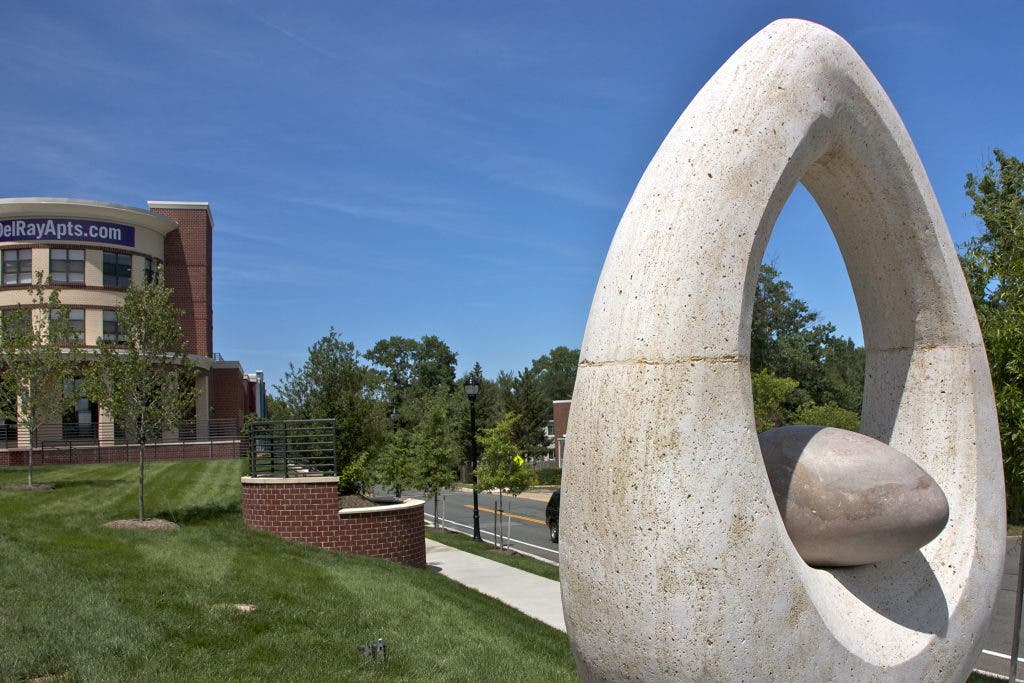
Alexandria is considering adopting a public art policy that would create a dedicated stream of funding for projects around town.
City Council received a presentation on the proposal Tuesday night at but will not make a decision on the matter until September.
Funding for the program would come from a percentage of Alexandria’s capital improvement project budget and from private developers submitting developmental special use permits at a rate of 50 cents per square foot of gross floor area for projects of 600,000 square feet or less.
Find out what's happening in Del Raywith free, real-time updates from Patch.
Public art for larger development projects will be negotiated. Private developers may also choose to provide public art onsite.
The developer contributions are not uncommon in other municipalities. Arlington County receives a flat rate of $75,000 for public art from developments both small and large, according to Alisa Carrel, deputy director of Alexandria’s Department of Recreation, Parks and Cultural Activities.
Find out what's happening in Del Raywith free, real-time updates from Patch.
Securing public art funding through development projects has been in practice for sometime in the city, but Councilman Rob Krupicka said it has been done in a manner he considers “a little haphazard” and with “a little inconsistency.”
He said he believes the new policy will add some fairness to the practice.
“Having public art throughout the community says a lot about who we are. It says a lot about our character, a lot about our culture and a lot about our relationships to each other,” Krupicka said. “I think it’s a critical piece of our community culture, but also kind of a strong piece of what attracts people to us and fill up those hotel rooms. … I think this is a good, smart economic development strategy for the city. I think bringing some consistency and transparency to the development community is a good start as well.”
The city allocated $50,000 in its fiscal year 2013 budget to public art and it is proposed that the funding increases by $50,000 each year to reach $250,000 in its FY 2017 budget and $500,000 in FY 2022. The half-million dollar total would equal about 0.6 percent of the city’s capital improvement funding in FY 2022.
“Before we ask developers, there has to be public investment as well,” Vice Mayor Kerry Donley said.
Currently, cities like Baltimore and Charlottesville allocate about 1 percent of their public construction budgets to public art. Arlington County allocates about 0.5 percent, while Fairfax County commits no capital improvement project money to fund public art.
Councilwoman Del Pepper said she would like to see public art move beyond just public sculptures and have developers employ functional artwork incorporated into building and streetscape design.
“I hope the policy gets developers to think of [public art] in its design early on,” she said.
The city will also continue to seek private funding through individuals and grants, Carrel said.
Get more local news delivered straight to your inbox. Sign up for free Patch newsletters and alerts.


